
In industrial settings where precision cutting is essential, the selection of blade material, ceramic versus steel, is an important decision. Both materials are widely used and each comes with its own characteristics that can impact their effectiveness for specific tasks. Choosing between a ceramic or a steel blade should stem from a clear understanding of the job's specific needs and operating conditions. Consider the desired longevity, sharpness and potential for wear and tear. This evaluation will lead to a blade choice that enhances performance and operational efficiency.
Ceramic Blades
What are Solid Ceramic Razor Blades?
Solid ceramic razor blades are made from advanced ceramic materials such as zirconium dioxide or tungsten carbide. These blades leverage the structural integrity and exceptional hardness of ceramics, making them distinct from traditional steel blades. Their molecular composition allows for the creation of sharp edges that are both durable and resistant to wear. This results in superior longevity, making them a preferred choice in applications requiring high precision and consistency.
Advantages of Solid Ceramic Razor Blades
Extreme Hardness
Solid ceramic blades are constructed from zirconium dioxide or tungsten carbide, a material characterized by its exceptional hardness, second only to diamonds. This gives ceramic blades with superior wear resistance and the ability to maintain sharpness over extended periods.
Longer Sharpness
The extreme hardness of ceramic blades makes them less prone to dulling in abrasive applications. The ceramic blades sustain their sharp edge far longer than their metal counterparts, thereby reducing the frequency of blade replacements and enhancing operational efficiency.
Disadvantages of Ceramic Razor Blades

Chipping of Cutting Edge
Ceramic edge tends to chip out when under high pressure.
Ceramic Blade Breakage in Slitting Operations
The integrity of slitting operations is compromised when ceramic blades break during the process. The infiltration of blade particles in the final product is an unacceptable risk, particularly in applications with strict purity requirements, such as food packaging. The presence of these particles not only jeopardizes the safety and compliance of the products but also undermines the trustworthiness of the manufacturing process.
Stainless Steel Razor Blades
What are Steel Razor Blades?
Our alloyed knife steel razor blades are recognized for its balance of strength and sharpness. The inherent durability of steel coupled with advanced fabrication techniques ensures that these blades can withstand rigorous industrial use while maintaining their cutting performance. Additionally, the adaptability of steel allows for various coatings and treatments, such as ceramic enhancements, that can further improve their lifespan and efficiency, making steel razor blades a versatile and cost-effective choice in diverse operational environments.
Advantages of Steel Razor Blades
Highest sharpness
Very resilient and elastic film material needs to be cut with an extreme sharp blade that only steel can deliver.
Cost effective
The high-volume production process of alloyed knife steel razor blades makes them very cost effective. This in contrast with the costly single piece production and material of ceramic razor blades. Thanks to our enhancing ceramic and diamond coating we add extra durability to the steel razor blades making them even more cost effective.
Durable and versatile
These cutting tools are perfect for slicing through industrial materials like plastic, cardboard, and rubber. With their robust design, you won’t have to worry about chipping or breaking a steel blade if accidentally dropped or intense industrial use.
Disadvantages of Steel Razor Blades
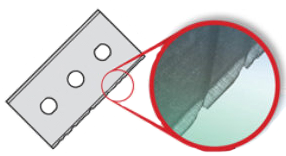
Edge Wear
Although our stainless steel blades are extra hardened they are more prone to edge wear due to adhesive and abrasive wear than their ceramic counterparts. When slitting tough and challenging materials this wear results in a dull razor edge.
Scrap
When slitting with a dull razor blade the quality of the slit is compromised and the film edge gets elongated rendering the produced film useless.
Replacement
A dull razor blade needs to be replaced as soon as possible, often this result in stopping production, which has great impact on efficiency. Often replacing cheap blades can even be more expensive in the long run.
Which is Better? Ceramic or Steel Blades?
Ultimately, the choice between ceramic and steel blades depends on the specific requirements of the application. Some tasks may benefit from the hardness of ceramic blades, while others may require the robustness provided by steel blades. It's essential to consider factors such as price, safety, quality... when selecting the appropriate blade type for industrial use.
Ceramic Blades - VS | . - Steel Blades | |
Advantages | ||
Extreme hardness | Cost effective | |
Long sharpness | Ceramic coating to | |
Disadvantages | ||
Ceramic blades chip, | Not suited for | |
Expensive | Razor blade wear |
How to Choose the Right Razor Blade

Fortis: Ceramic Coated Steel Razor Blades
Our Fortis razor blades meet the intense demands of film slitting. Our alloyed knife steel combined with a smooth coating structure give it resistance to friction, increased blade longevity, and an ability to provide consistent slitting quality.
Request Samples
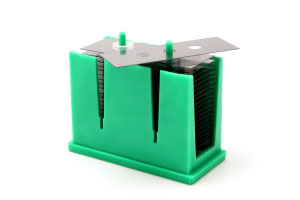
Fortis +: Advanced Ceramic Coated Steel Razor Blades
Our Fortis+ razor blades exceed the intense demands of film slitting. Our alloyed knife steel combined with an extreme hard coating structure give it unparalleled resistance to abrasive wear, increased blade longevity, and an ability to provide consistent slitting quality.
Request Samples

Fortius: Solid Ceramic Razor Blades
Our Fortius solid ceramic razor blades are industry leading, solid tungsten carbide and zirconium made blades with superior hardness and sharpness.
Request Samples
Which Industrial Blade Is Right for Your Industry?

At Fortisblades, we understand the critical importance of choosing the right industrial razor blades for your slitting applications. If you're uncertain whether ceramic or steel blades are the best fit for your industrial cutting needs, look no further. Our team of experts is here to assist you every step of the way. With our extensive knowledge and experience in the field, we will provide you with accurate information and guide you to the perfect blade solution tailored to your specific requirements and industry.